Analysis
Trees of hope: Iran plants life where Zionism sows destruction
Noura Erfani, cultural researcher
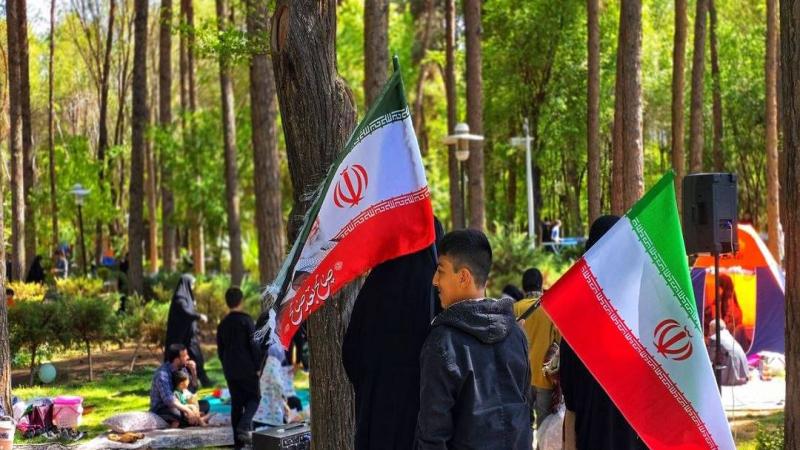
In the soft golden light of a Persian spring, when almond trees paint the hillsides in delicate pink and white against the Alborz mountains and the air carries the fresh scent of rain-soaked earth, Iranians come together to celebrate two days that feel like the very heartbeat of their country. The 12th of Farvardin marks National Islamic Republic Day – a time to remember the moment the people freely chose their own path. The very next day, the 13th, is National Nature Day, when celebration turns into something hands-on and hopeful: heading outdoors to plant trees. This year, in 2026, the two occasions feel more connected than ever, weaving into one powerful story of resilience and renewal.
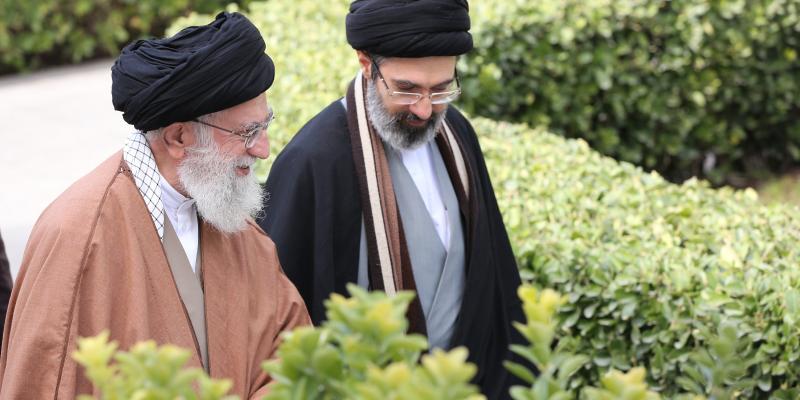
As the Leader of the Islamic Revolution, Sayyid Mojtaba Hosseini Khamenei, beautifully expressed in his recent message, “The heroic nation of Iran has intertwined this Nowruz with an epic spirit and a deep sense of honor.” Right after honoring the anniversary of the Islamic Republic, people across the country are rolling up their sleeves and stepping into fields and orchards. This year, they’re planting fruit trees not as a tradition, but as a determined answer to aggression – a way of saying that life will go on, no matter what.
A historic choice that still echoes
This determination is rooted in a profound moment from Iran’s recent history. It all started back on the 12th of Farvardin in 1358 AHS (1979 CE), when millions of Iranians cast their ballots in a historic referendum, where 98 percent of the population voted in favor of establishing the Islamic Republic of Iran. The message they sent to the world was clear: No more foreign meddling, no more kings. This political vote was, in essence, a collective declaration of independence from centuries of foreign interference and monarchical rule and although the Revolution was already a remarkable feat, the referendum sealed its legitimacy through the voice of the people.
From picnics to purpose: Nature Day reborn
Then comes the 13th of Farvardin – the day Iranians have long called Sizdah Bedar, or Nature Day. For centuries, it meant packing picnics, heading to parks and streams, and tossing sabzeh [sprouted greens] into the water to let go of the old year’s troubles. Today, that ancient custom has grown into something much bigger and far more visionary: a nationwide push to care for the land itself.
The Leader’s message captures the shift beautifully. After commemorating the National Islamic Republic Day, he says, the people now prepare to welcome Nature Day. “At a time when the contemptible, ruthless US-Zionist enemy knows no bounds in its inhumanity, is disregarding all moral and ethical limits, and has even attacked and harmed the natural environment and ecological spaces of our beloved homeland, any efforts aimed at development and building a bright future for Iran are worthy, necessary acts.”
This call carries forward a tradition that Martyr Sayyid Ali Khamenei, the Leader of the Islamic Revolution’s father, adhered to every single year. On Tree Planting Day, he would personally take up a shovel and plant saplings right alongside ordinary Iranian citizens. He genuinely cared about the environment, seeing it as part of the same struggle as protecting Iran’s independence. Protecting nature and protecting sovereignty were, in fact, two sides of the same coin for him.
He described tree planting as “a religious and revolutionary move,” linking it directly to both faith and the spirit of resistance. He spoke of it as an investment in the future and warned against the destruction of forests and natural resources, stressing that harming the environment meant harming the nation’s long-term interests. For Martyr Khamenei, protecting greenery wasn’t a ceremonial matter. It was tied to the very development of civilization, something Islam itself encourages as a good deed. He once planted an olive sapling as a quiet symbol of solidarity with the resistance of the Palestinian people, showing how even a simple act in the soil could carry layers of meaning about justice and endurance.
And right now, the entire country is answering the call of their Leader. In cities and villages from north to south, people from all walks of life are working together with their local authorities and environmental groups to plant thousands of fruit trees, starting on Nature Day and carrying on through the rest of spring.
From the Blessed Tree to a forest of hope
None of this happens in a vacuum. The urgency comes straight from the devastation of the ongoing US-Israeli Imposed War against the Iranian nation. The US-Israeli attacks haven’t stopped at people – they’ve scarred the land too and the environment itself has become a casualty.
In his latest message to the Iranian nation, the Leader also speaks directly about one of the war’s cruelest moments where innocent lives were cut short: “The child-killing US and Zionist demons brutally martyred the young students of the Shajareh Tayyebeh [Blessed Tree] School.”
The very name of that school – “Blessed Tree” – now carries profound symbolism. The enemy sought to cut down innocent young lives at the “Blessed Tree,” yet the Iranian nation responds by planting countless new blessed trees across the homeland. Where destruction tried to take root, hope is being sown instead. Each sapling becomes a living memorial and a promise that the memory of those martyred children will grow strong, bear fruit, and shade future generations.
The Leader puts it powerfully: “The Iranian nation, in honor of all its martyrs and particularly those of the Third Imposed War, will plant seedlings of hope throughout the land, so that each one, God willing, will grow into a blessed tree and bear abundant fruit in the years to come.”
The initiative is both practical and deeply poetic. By planting fruit trees across the country, Iranians are actively turning ecological damage into restoration and replacing despair with quiet determination. This effort also carries profound spiritual meaning, firmly rooted in the Quran. The Leader begins his message with a timeless verse that speaks directly to humanity’s relationship with the land:
“It is He who brought you into being from the earth and made you its inhabitants” (Quran 11:61).
This beautiful verse reminds us that our connection to the land is part of our very creation. While the world grapples with climate change and endless conflict, Iran is showing that it responds to destruction with life and growing hope. The same spirit that once had Martyr Sayyid Ali Khamenei planting saplings now moves through the whole nation under his successor’s guidance and each little tree becomes a bridge between yesterday’s sacrifices and tomorrow’s harvest.
And just as a seedling pushes through the soil against all odds, so too does the Iranian nation. “Each one, God willing, will grow into a blessed tree and bear abundant fruit,” the Leader reminds us.
May the coming years see these seedlings flourish and bear witness to a resilient people who refuse to let the shadow of war eclipse the eternal promise of spring.
Apr. 3, 2026