Civilizational miracle of Iranians after martyrdom of Imam Khamenei
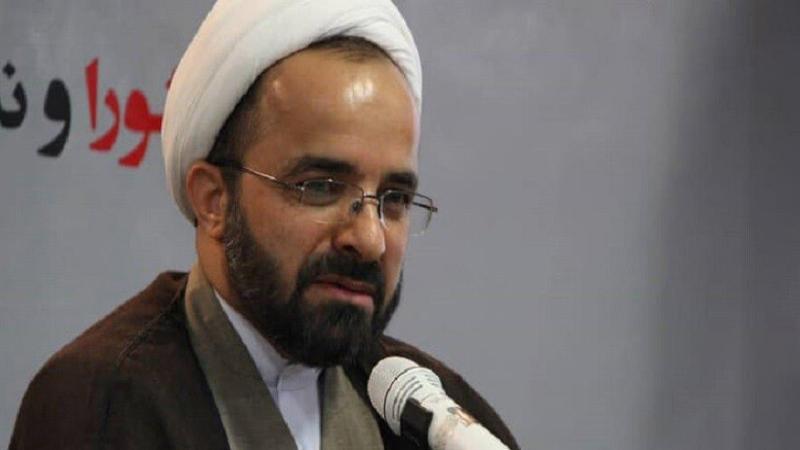
Habibollah Babaei, Associate Professor of Islamic Civilization Studies at Baqir al-Olum University
In the latest civilizational confrontation between Islamic and Western civilizations in the recent war, one of the important matters that must be examined is the issue of the people and their role. The concept of "the people" holds a pivotal place in Islamic culture and thought, as well as in the ideology of the Islamic Revolution.
One of the issues that deserves discussion is the concept of the “Ummi Generation.” By “ummi,” we mean a generation that relies on innate beliefs and fulfills its ordinary duties – such as the massive street presence of these people today, chanting slogans in support of the system and the Armed Forces – thereby generating a powerful wave both across Iran and throughout the Islamic world. Essentially, civilizations have not always been, and are not, merely the product of the elites and their actions; rather, they are the outcome of the behaviors and actions of this ummi generation. The ummi generation does not rely on academic education; rather, relying on human awareness and knowledge, it discerns politically where to take its stand, when to act, and what form that action should take.
The great achievement of the Islamic Revolution during the rule of the Islamic Republic was that it elevated and nurtured this ummi generation in terms of their humanity, ethics, and reliance on their innate nature. It was also able to train an educated population from the very heart of this same unlettered generation – a population that, despite having a deep academic background and experience, holds beliefs that are rooted in innate, religious, and spiritual convictions. The combination of these beliefs and academic education has created a blend that is not easily found in other nations around the world. This stands as one of the wonders of the Islamic Republic, which has succeeded in training a generation that not only carries the positive traits of being ummi (unlettered), but also possesses a high level of academic sophistication that have been utilized in various periods, crises, and throughout its civilizational journey.
The next point is the way in which the democracy existing today with this kind of people in Iran has formed. The democracy today in Iran is one based on love and affection. It is a faith-based democracy, rooted in religious beliefs. Popular sovereignty in Iran is not limited to election periods or the act of casting votes. In the days following the martyrdom of Leader of the Islamic Revolution, the people, through their presence in the squares and streets, have preserved the governing system, provided direction to it, and prevented its collapse or deviation from its path. This democracy is qualitative rather than merely quantitative. Whenever it perceives that its presence is essential, the people step forward – at personal cost and sacrifice – delivering an effective and decisive role that finds no parallel even in other Islamic countries.
Another point is that in this love-based and wilayah [guardianship]-based democracy, the nature and timing of the people’s presence on the scene are not limited to the lifetime of Wali Faqih [Guardian Jurist]. Even in the absence of the Leader, this democracy prevents the emergence of a social vacuum or rift. This ensures that the path for selecting a new leader and establishing social relations after the war is paved.
Equally significant is the fact that such intelligent actions, such as transforming the mourning for the martyrdom of the Leader of the Islamic Revolution into an epic of public presence in the squares, are one of the key civilizational indicators divinely bestowed upon the Iranian people as a miraculous gift from God. This enabled the people, in the shortest possible time, to shift from a position of passivity and vulnerability to one of proactive strength and empowerment, thereby fulfilling their responsibilities with resolve.
(The views expressed in this article are author’s own and do not necessarily reflect those of Khamenei.ir.)
Mar. 14, 2026