Image

In global media, he was referred to by various titles: Ayatollah Khamenei, the Leader of Muslims, Sayyid Ali, Ayatollah, Leader of Iran, and the Supreme Leader. Yet the term “supreme leader” was often presented in a way that suggested tyranny and despotism. The heavy shadow of the word “dictator,” especially in certain hostile media outlets, frequently overshadowed all other titles! This time, however, his portrayal is not through the voice of any journalist, it must be heard from the walls themselves. From the brick walls that for years lined Keshvar Dost Street as his neighbors and now serve as impartial witnesses to his life.
I don’t know what image comes to mind when you think of a street where such a high-ranking figure lived, but I must say, Keshvar Dost was never closed to us. Until the morning of the attack, our gatherings were always warm and friendly. On various occasions, he would gather people around him and listen attentively to their concerns. Keshvar Dost has always been a bustling and lively street; pedestrians’ eyes sparkled and their lips smiled with excitement at the chance to see their Leader.
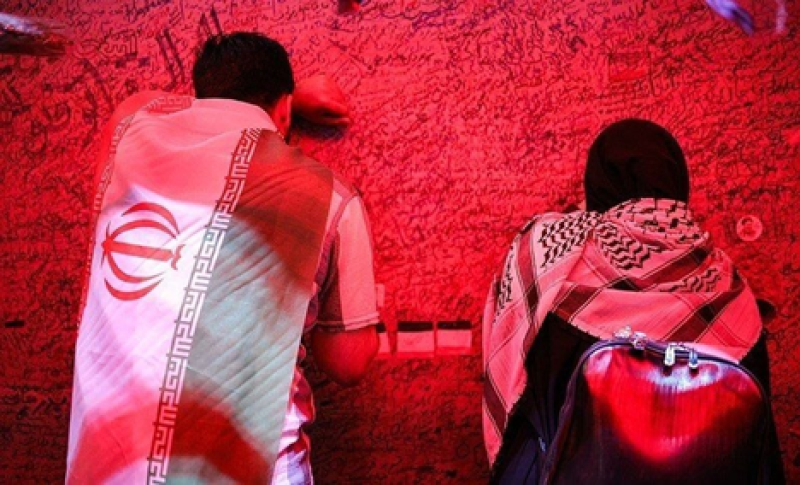
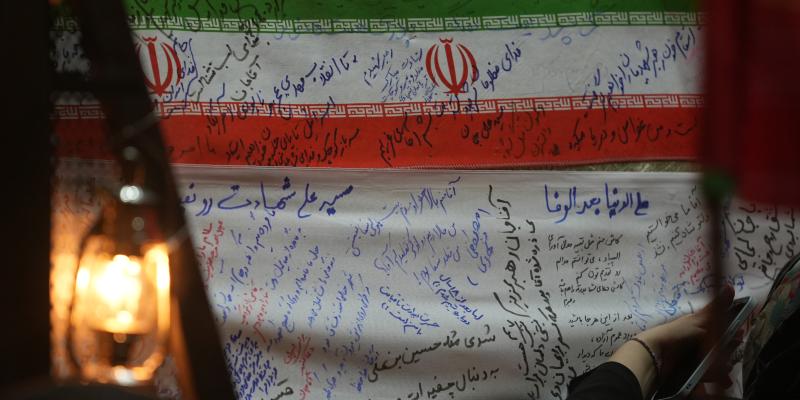
It is still busy, of course, but this time, people come on their own accord. They sit on the cobblestones, lay down the burden of their grief, and spend hours recalling the days he was present. Amid this ebb and flow, people inscribe their unspoken words on the walls, creating a historical tapestry, brick by brick, of Keshvar Dost. A tapestry that, through thousands of handwritten notes and anecdotes, portrays a man to be understood through these very inscriptions.
"I still can’t believe your loss, even seeing these ruins." Among the intertwined writings, one voice captures the collective sentiment. Such lines are not rare; the walls seem to cry out that people cannot yet accept the departure of their leader: “Two months have passed, but I am still waiting for some news to refute this rumor,”“I wish all these events were just a nightmare.”
Yet some accept the bitter truth of his departure, though they cannot bear it. This is clear from their words, which speak of him as their most cherished treasure; something they may not even have fully realized until now: “Dear sir, I never saw you in person, yet your loss is harder than losing my closest loved ones. This grief is unforgettable!”; “All my comfort is gone; life without you is so difficult!”; “The sorrow of Keshvar Dost Street will eventually consume me.”; “I could never imagine a world without you.”
I never imagined I would find such profoundly heartfelt words among the irregular, interwoven inscriptions on these stones, for example: “I wish they had taken my life and you remained; then God knows with what eagerness I would have welcomed death!”; “I always prayed to God to shorten my life and extend yours, but alas, I was not worthy of that prayer.”; “I cry lest my life continue after you.”
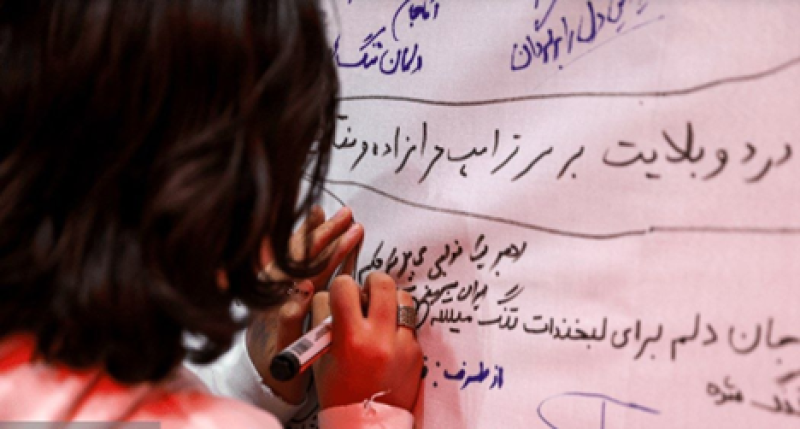
Turning my gaze again to the walls, these sentences are more than just unspoken words to a leader. There is a deeper affection flowing among them. They are not expressed in dry, formal language; they use the words one would speak to their dearest loved one. As one young martyr’s daughter wrote in bold script: “You were like a father to us,” a figure intertwined with every detail of their lives.
One person wrote: “All my hope for studying came from you. The only time I found motivation was when you said: ‘My dear children, study well.’ Now how can I live without you?”
Another, across the wall: “Dear sir, when you advised me about raising children, I raised my four children following your guidance. I always wished to be invited to your residence one day, but not like this. I promise you, my children and I will sacrifice ourselves for Islam.”
Your presence could be traced in the smallest details of some lives, such as: “We were meant to come here and live, but now, after you, there is no desire or reason to come.”
Or in the most significant life events: “After five years, God gave me two daughters. I should be the happiest man alive, but the world without you has no meaning.”
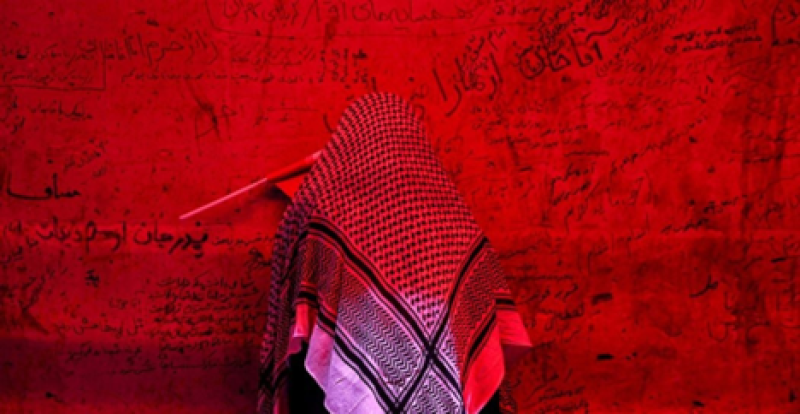
I don’t mean to say all of us have always loved our Leader this intimately; no. Although he never withheld his affection from any of us, there were and still are people who held a different image of him in their minds. Now, after his martyrdom, some of them seem to have come to know him anew.
This is evident in their writings, many of which read like confessions: “You were the bravest man in Iran; I wish I had realized it sooner.” Or “Forgive me for repeating the lies that were told about you.” These requests for forgiveness abound, showing that yesterday’s critics are today’s admirers.
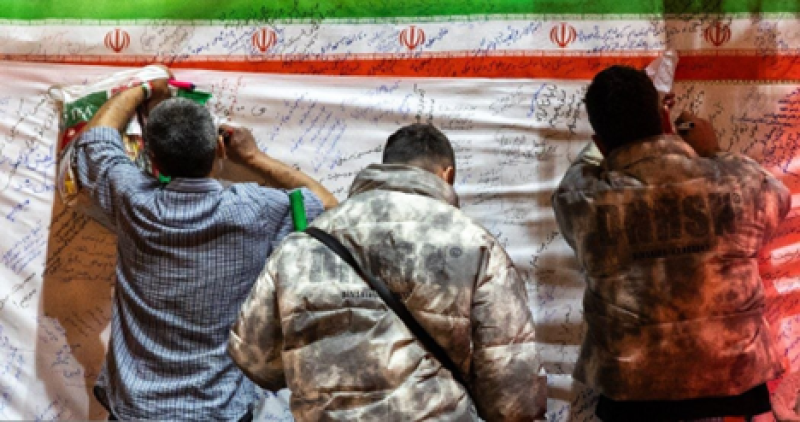
I have stood beside these walls for hours, reading their words. Each handwriting tells a story: a story of longing, regret, and sorrow. Even now, new visitors arrive each moment, adding another phrase to the brick canvas of this street. I know I cannot recount all of them.
I leave Keshvar Dost Street—a street now part of history. Years from now, a passerby may no longer hear of the bustling crowds who once came to see him, and no trace of this collective longing may remain. Yet if they press their ear to the walls, they might still hear the whispers of the people: that here lived a leader who sacrificed himself for his people.
Apr. 28, 2026