Analysis
Regional war: Both a warning and a signal of alert
“The Americans should know this too that if they start a war, this time it will be a regional war.”
This closing line Imam Khamenei’s statements on February 1, 2026, was the most significant part of his speech and the one that quickly drew wide international attention.
In recent days, the United States has escalated its threats against Iran by deploying new military assets to West Asia and to areas surrounding the country. Alongside this military buildup, Washington and its allies have launched an intense and sustained media and rhetorical campaign. Different interpretations exist about the real objectives behind these moves, each worthy of serious analysis. One thing, however, is clear: If the US acts recklessly and carries out any form of aggression, it will be opening the gates of hell on itself across the region.
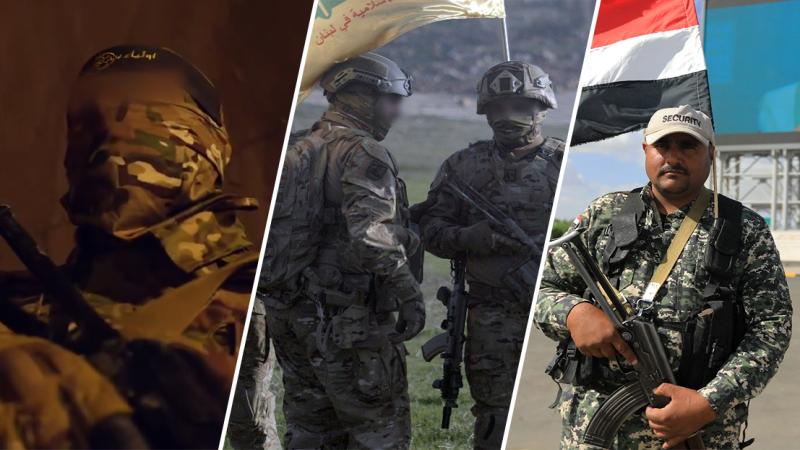
Over the past year or two, Western media and officials have repeatedly promoted the idea that Iran’s regional allies have been weakened or even eliminated by the Israeli regime’s actions. Yet at the same time, one of Washington’s core conditions for any deal with Iran remains the demand that Tehran abandon these forces. If they are truly ineffective and collapsing, the persistence of this demand makes little sense.
Iran’s network of support is not limited to organized Resistance groups. Large segments of the region’s population also form part of this broader front. They may not belong to any formal organization, but they occupy their own place in the political and social landscape and, when the moment comes, will act according to their capacities.
The Leader’s warning to the United States can also be understood as a signal of readiness to the Resistance forces and the peoples of the region. These are communities bound to Iran and its leadership by ties that go beyond material calculations. In moments of crisis, it is precisely this bond that can catch the enemy off guard and leave it unable to respond effectively.
Even if the United States were to initiate any aggression, the Israeli regime would not remain insulated from the consequences. The occupied territories would be among Iran’s primary targets in any regional conflict. Experience and strategic logic both show that Washington and Tel Aviv do not make decisions or act independently when it comes to Iran, so there is no reason they should be treated separately in any response.
The United States maintains a vast network of military, economic, and strategic interests across the region. All of these would be considered legitimate targets for retaliation by Iran and its allies. Iran did not use the full extent of its capabilities in the 12-day war, but in any new conflict, many of the previous restraints, calculations, and red lines would be set aside. The adversary would be facing a very different Iran.
Most regional states have, for their own reasons, officially opposed any potential U.S. adventurism. Some host American military bases, while others host U.S. economic interests. The Islamic Republic has already warned these countries against any form of cooperation, whether overt or covert, with Washington. In any scenario, American interests will be included in Iran’s target framework.
The US government, and Donald Trump personally, should understand that Iran does not seek war and will not be the one to start it. But it does not fear confrontation, and it will defend itself with full force. A mix of arrogance, recklessness, miscalculation, and pressure from Zionist lobbies and interest groups could ignite a chain of events that leads straight to a powder keg called a regional war.
Feb. 6, 2026