The growing realization of unity within the Resistance Front in the war against the American-Zionist Axis
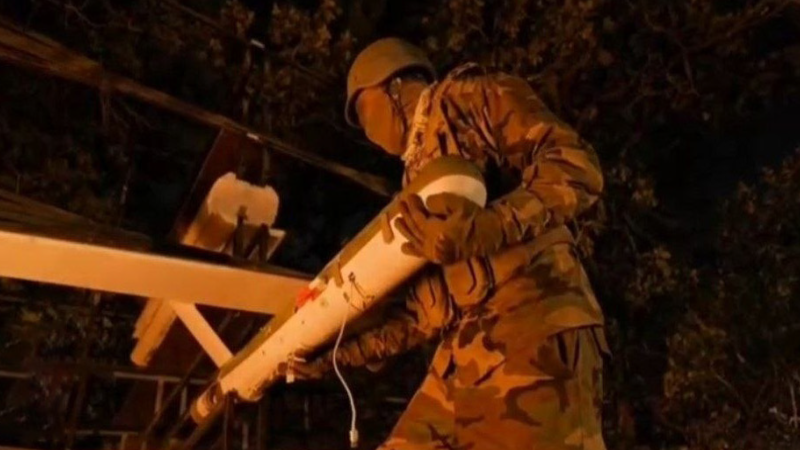
On the twenty-fifth day of the Imposed War against Iran, two key resistance fronts have now been activated against the American-Zionist enemy: the Lebanon Front and the Iraq Front. Another part of the Resistance in Yemen has stood alongside the Iranian National Resistance since day one. However, analysts explain that due to the specific conditions and nature of this front’s mission, their involvement requires certain circumstances that have not yet materialized on the ground. Nevertheless, there is no doubt that this front sees itself as part of this axis, and it will decide to enter the struggle if necessary, based on the evolving conditions.
The unity of the fields and arenas of war has now manifested in a tangible, real-world form. The Resistance Axis has mobilized across all its fronts against the common enemy. Groups and movements sharing a common anti-colonial and anti-imperialist vision and stance have now entered the field according to the demands of their own geography and battlefield, tightening the noose around the enemy ever further. These movements, bound by a shared faith and ideology, have reached the maturity to understand that they share a common fate in the face of the extra-regional and inhumane Zionist and American colonization. It is this shared anti-colonial outlook and worldview that will shape the future order of the region – an order emerging from a regional, indigenous bloc that seeks to engage with the world from a position of independence.
It is precisely this shared vision, values, and fate that have led the Resistance groups to consider the Islamic Republic of Iran as part of their own essence and identity, and vice versa. This sense of shared destiny and shared identity is not about placing one side in a superior position over the other. Respecting the independence of all Resistance Movements – large or small – has always been a red line for Tehran. The heroic operations like Al-Aqsa Flood or the various actions of Hezbollah, carried out based on the independent analysis and decisions of these groups, prove the validity of this principle. The various fronts of the Resistance, from Iran to other groups, are the product of growth and maturity, not the mercenary cultivation practiced in other corners of the world.
It is precisely for this reason that these fronts bear costs for one another, without necessarily expecting anything in return. Even now, the entry of the Iraqi and Lebanese Resistance movements into the American-Zionist battlefield has not been without cost for these dear groups. The American-Zionist enemy, just as it has shown hostility and inflicted pain on the Iranian people, has done the same to the Resistance movements in Lebanon and Iraq, inflicting harm and imposing costs upon them. When the situation reaches this point, only those with shared perspectives, destinies, and the same worldview stand together, bear costs for each other, and in doing so, strengthen their human and fraternal bonds.
This is precisely why one of Iran's six conditions for exiting the war – rather than just calling for a ceasefire – is to secure the necessary guarantees for a definitive end to the war and insurance against future aggressions, as well as breaking the war-ceasefire cycle , not only for Iran, but also for all fronts of the Resistance. This insurance against future aggression and breaking this cycle must not only apply to Iran but to all the Resistance fronts. Both in the past and in the future, Iran has never, does not, and will never consider the Resistance movements as separate from itself. The anti-colonial and anti- hegemonic identity and essence of the Islamic Republic of Iran is not confined to its territorial integrity alone, and this does not imply interference in the details or infringement on the independence of these movements.
The Islamic Republic of Iran and the Resistance movements are societies bound together by a shared fate, geography, and history. Together, they will shape the future order of the region based on the aspirations and indigenous needs of their own communities, unlike the colonial and foreign-imposed order that the British, French, and Americans established a century ago after World War I. The next regional order will emerge from the indigenous perspectives and geography of this region itself. This is exactly what the unity of the battlefields is telling us today.
Mar. 25, 2026